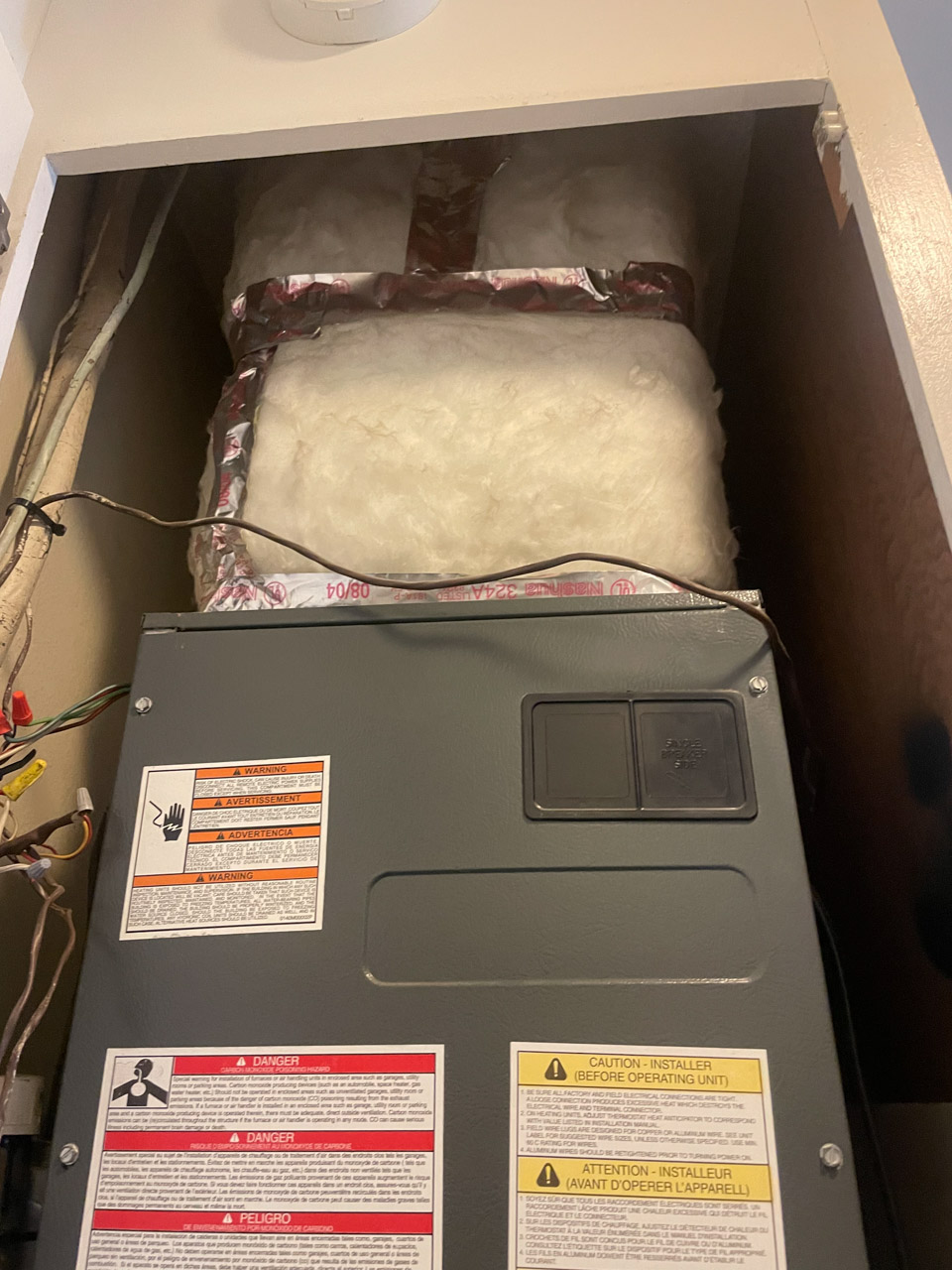
When San Diego Winters Catch You Off Guard
If you’ve lived in San Diego long enough, you know that “winter” looks different here — the skies stay blue, but the temperature still dips low enough at night to make the house uncomfortable.
That’s when most homeowners realize something isn’t quite right with their heating system. The furnace hums but doesn’t warm up fast enough, or maybe the air feels lukewarm no matter how high the thermostat is set.
Every winter, our team gets calls from neighborhoods all over the county — from older homes in La Mesa to newer builds in Scripps Ranch — all describing the same quiet problem: “The heat’s on, but it just doesn’t feel warm enough.”
Those calls usually lead to one of a handful of issues we’ve seen hundreds of times before.
This guide breaks down what those early warning signs look like, why they happen, and when to call in a professional before small problems turn into expensive repairs.
1. Your Furnace Starts Making New Sounds
A healthy furnace hums softly. When new sounds start joining the mix — rattles, bangs, or high-pitched squeals — it’s a clue that something inside needs attention.
Rattling can mean a loose panel or a part vibrating against metal. A bang during startup could point to a delayed ignition or dirty burner, both of which deserve a professional inspection.
Sometimes, noises come from the duct system rather than the furnace itself. Expanding and contracting metal makes a “popping” sound that’s harmless on its own but may still indicate airflow imbalance.
Why is my furnace making loud banging or clunking noises?
That’s a question San Diego homeowners ask often once cooler nights set in.
It usually means gas has built up before ignition or that a part inside the furnace housing is loose. Both are fixable, but the first can create unnecessary strain if ignored. A technician can tighten components, clean burners, and make sure ignition happens safely every time the system starts.
When you hear something unusual, it’s best not to wait it out. Unusual sounds are the furnace’s way of saying, “Something’s off — please look closer.”
You can book online for a quick inspection or request a service to see whether it’s a simple tune-up or a needed repair.
2. The Air Feels Cool — Even When the Heat’s On
Nothing’s more confusing than standing in front of a vent that’s blowing air, but not warm air. That’s one of the most common reasons homeowners start googling "heating repair near me".
Cool air can be caused by anything from a dirty flame sensor to a clogged filter or an ignition issue. Sometimes, it’s as simple as a thermostat setting flipped to “fan only.”
In San Diego’s coastal climate, salt and moisture can corrode sensors faster than in drier areas, which means furnaces closer to the ocean need a little more attention.
Why is my heater blowing cold air instead of warm air?
There are a few possibilities. The furnace could be overheating and shutting down the burners as a safety measure, the pilot light might be out, or the filter may be restricting airflow.In older systems, worn igniters or dirty flame sensors are common culprits.
A professional cleaning or minor repair often restores full warmth in a single visit.
If your system keeps cycling cold air, it’s time to find a reputable HVAC company to inquire about a heater repair service. A quick inspection today can prevent full system failure later.
3. The Thermostat Never Matches the Room
If you keep turning up the thermostat but still reach for a blanket, the problem might not be your furnace — it could be the thermostat itself. We’ve seen plenty of older thermostats in San Diego homes that drift a few degrees off over time. That small difference can make your home feel inconsistent — warm in one area, chilly in another.
Digital and smart thermostats have become game changers for local homeowners. They automatically adjust for mild daytime heat and cooler nights without overworking your system.
Why does my heater keep turning on and off before reaching the right temperature?
That’s known as short-cycling. It happens when the thermostat senses heat too early — often because it’s placed near a warm draft, an appliance, or direct sunlight.
Short-cycling puts extra stress on the furnace and drives up your bills. A technician can relocate the thermostat or recalibrate it to fix the issue quickly.
You can learn more about our heating services in San Diego if you’re ready to modernize your home’s temperature control.
4. The Furnace Runs Longer — But Heats Less
A furnace that runs nonstop is trying to tell you something. Either it’s struggling to reach your desired temperature, or it’s losing heat somewhere in the system.
This is common in homes with duct leaks or reduced airflow caused by a dirty blower wheel. As warm air escapes or slows down, the thermostat doesn’t sense progress — so the furnace keeps running in a losing battle.
Why does my furnace run constantly but not heat the house?
It’s often because of airflow restrictions, leaky ducts, or worn-out blower components. When air can’t circulate efficiently, the furnace compensates by staying on longer.
Not only does that waste energy, but it can also wear out internal parts faster.
Our technicians inspect both the furnace and the duct system together because the two work hand in hand. Request a furnace inspection to check for leaks or circulation issues before they affect comfort across your entire home.
5. Your Energy Bill Starts Creeping Up
Rising utility costs sometimes get blamed on the electric company, but more often, they trace back to reduced furnace efficiency. A buildup of dust or small component wear forces the system to work harder for the same output.
In coastal San Diego neighborhoods like Pacific Beach or Del Mar, humidity and salt can speed up internal corrosion. Inland homes face dust buildup from drier air. Both lead to inefficiency if left unchecked.
Why is my heating bill suddenly higher than last winter?
If your habits haven’t changed but your bill has, the system’s likely losing efficiency. That could be a dirty filter, duct leak, or aging components that no longer perform as designed. A seasonal furnace tune-up brings your system back toward peak efficiency and catches developing problems before they grow.
You can book online for a maintenance appointment anytime — it’s quick, local, and helps you keep energy costs predictable.
6. You Smell Something Unusual When the Heat Turns On
A slight dusty smell is normal the first time a furnace runs after months of inactivity — that’s just surface dust burning off. But if the odor lingers or turns metallic, oily, or musty, it’s time for a professional look.
Strong smells often indicate electrical wear, oil residue on heat exchangers, or even a small gas leak. These are not DIY repairs.
Should I be worried if my furnace smells like burning dust or metal?
If the smell disappears after a few minutes, it’s likely harmless dust burning away.
If it persists, though, turn off the system and call a qualified heating and air conditioning contractor near you. Persistent odors signal a problem with electrical wiring or components overheating.
Our technicians perform complete safety checks during every repair and maintenance visit — so your home stays comfortable and safe.
7. The House Feels Unevenly Warm
Uneven heating is one of the most common comfort complaints we hear in San Diego.
You might have one room that stays toasty while another feels like you’re standing outside. This imbalance usually comes down to airflow, duct design, or insulation quality — and sometimes all three.
Older homes, especially those near the coast, tend to have duct systems that weren’t designed for modern furnaces. Add in years of patchwork insulation, and you’ve got the perfect setup for temperature differences across rooms.
Why are some rooms warmer than others even when the heater’s running?
That’s a classic symptom of uneven airflow. It can stem from blocked vents, separated ducts, or outdated zoning systems. A comfort specialist can test airflow and rebalance your system to deliver even warmth throughout your home.
If one part of your home never seems to warm up, it’s time for a heating inspection. Book a service call online in less than 5 minutes!
8. The Furnace Won’t Start — or Stops Mid-Cycle
A non-starting furnace might sound dramatic, but it’s often something small: a tripped circuit breaker, a dirty flame sensor, or a failed igniter. Still, it’s important to have it diagnosed by a professional. Repeated start failures can put wear on expensive components.
Why won’t my furnace turn on even though the thermostat is set correctly?
It might be a safety switch, a bad igniter, or a malfunctioning sensor. Occasionally, the problem lies in the control board itself. Before calling, check your breaker and filter. If both are fine, schedule service — we can test ignition, safety switches, and electrical controls to get you back to warmth quickly.
9. Why Small Repairs Make a Big Difference
Minor furnace repairs often feel easy to postpone, especially when the weather’s mild.
But delaying them tends to shorten system lifespan and increase energy costs.
We’ve repaired hundreds of systems across San Diego that only needed a simple part replacement or cleaning — but had turned into full replacements because maintenance was put off too long.
Your furnace, much like a car, runs best when issues are caught early. Clean sensors, balanced airflow, and proper ignition timing can add years of life and keep your energy bills manageable.
If your furnace hasn’t had professional attention in over a year, it’s time to schedule a checkup. You can book online or request a service right now — whichever’s easier for you.
10. How San Diego Weather Affects Heating Systems
San Diego’s weather may be gentle, but it’s surprisingly hard on HVAC systems.
Coastal salt air promotes corrosion, while inland dust collects in vents and filters. Even minor humidity changes can affect ignition sensors and electrical connections.
It’s not uncommon for homeowners to need heater maintenance more often than they realize.
What’s the best time of year to service a furnace in San Diego?
The best time is fall — right before you turn the system on for regular use. That timing catches small problems before cooler nights arrive. A fall service appointment also ensures the system runs efficiently through winter and prevents unexpected repair calls when appointments are busiest.
Our technicians perform comprehensive tune-ups across the county, from Oceanside to La Mesa, helping homeowners stay ahead of problems year after year.
11. Knowing When to Replace Instead of Repair
Every furnace reaches a point where replacement becomes the smarter financial decision. If your system is 15 years or older, breaks down more than once a year, or creates uneven temperatures no matter how many repairs it gets, it may be time to explore newer options.
Modern furnaces offer higher energy efficiency, quieter operation, and better humidity control — all important for San Diego’s climate.
Should I repair or replace my old furnace?
That depends on the age, repair history, and current condition.
If repairs are less than a third of the cost of replacement and the unit is under 12 years old, repair makes sense. Beyond that, replacement may save more money over time in both efficiency and reliability. We provide detailed assessments and transparent pricing so homeowners can make informed decisions with confidence.
You can learn more about our furnace repair and installation services to see what might be best for your home.
12. A Reliable Partner for Every Stage of Home Comfort
Whether your furnace just started making strange noises or hasn’t been serviced in years, the sooner you identify what’s happening, the easier it is to fix.
At Allegiance Heating & Air, we treat every visit like a partnership — listening, inspecting carefully, and explaining findings clearly.
We don’t upsell; we simply solve problems the right way.
Our technicians are trained for both residential heating repair and long-term maintenance across San Diego County. From the beach communities to inland neighborhoods, we know the challenges each environment brings and how to keep systems running efficiently year after year.
If your heater seems different lately — slower to start, louder than usual, or just not keeping up — it’s worth having it checked.
Final Thoughts
Small changes in the way your furnace sounds or feels are often the first sign that something’s shifting inside. Catching those signs early prevents big repairs later and keeps your home comfortable when the temperatures drop.
If your home’s warmth doesn’t feel quite right this season, let Allegiance Heating & Air take a closer look.
We’ve served San Diego homeowners for years with honesty, reliability, and the kind of attention only a local, family-run company can offer.
Comfort shouldn’t require a second thought — and with the right care, it never has to.


8733 N Magnolia Ave #204
Santee, CA 92071
619-449-2469
marketing@allegiancehvacsd.com
Monday – Friday: 8:00 AM – 5:00 PM