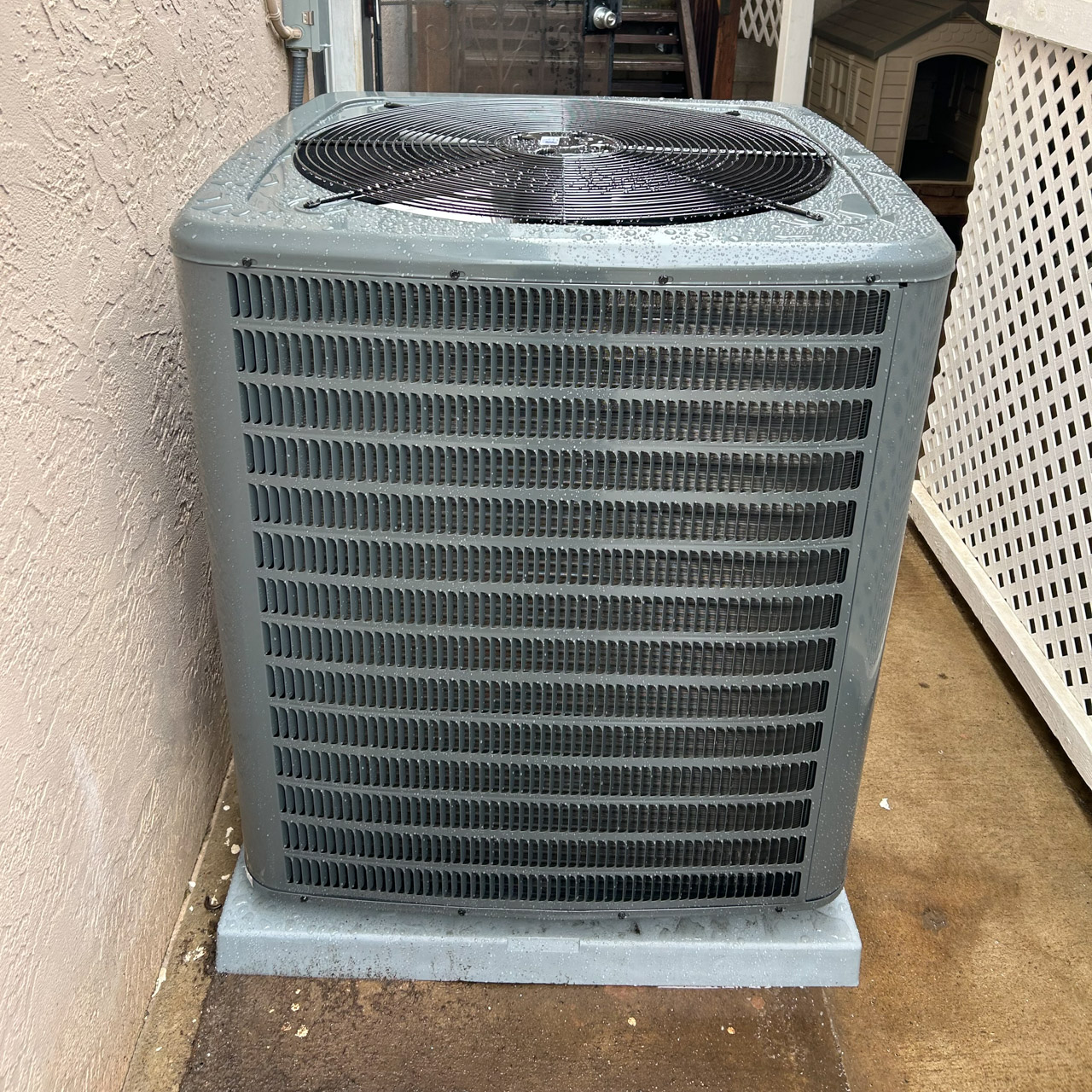
So, you’ve just spotted a puddle of water near your AC—and you’re wondering: “Is this normal, or should I be worried?” You’re not alone. One of the most common questions we hear from San Diego homeowners is, "Why is my air conditioner leaking water?" And we get it—it’s not just about the mess. It's about what the leak might mean for your comfort, your energy bills, and your AC’s long-term health.
The good news is that not every leak is a disaster waiting to happen. But that doesn’t mean it should be ignored. In this guide, we’ll break down the real reasons behind AC water leaks, when to DIY, when to call in the pros, and how simple maintenance can prevent it all in the first place.
Let’s walk through it—one drip at a time.
Why AC Leaks Are a Big Deal (Even If They Seem Small)
Water leaking from your air conditioner may not seem like an emergency. After all, it’s just water, right? But those small drips can create big headaches if left unchecked. Behind every leak is a system that’s struggling—often quietly—and pushing harder than it should to keep your home cool.
Here’s why AC leaks deserve your attention:
-
Water damage adds up fast. A few drops can turn into warped floors, stained ceilings, or even mold inside your walls. And mold remediation is no small bill.
-
Leaks are often symptoms, not the problem itself. A leaking AC usually signals deeper issues like airflow blockages, failing parts, or a neglected system.
-
Performance suffers. When your AC isn’t draining properly or freezing up, you’re not just losing efficiency—you’re paying more for less comfort.
Ignoring these symptoms means you’re spending more to cool your home while risking costly repairs down the line.
The 5 Most Common Causes of AC Leaks
Not all leaks are created equal. Depending on where and how your AC is leaking, the cause might be something minor—or something that could lead to total system failure if ignored.
Let’s break down the top causes of air conditioner water leaks and what they really mean.
1. Clogged Condensate Drain Line
This is the #1 cause of AC water leaks—and one of the easiest to prevent. When your air conditioner cools the air, it also removes humidity. That moisture collects in a pan and exits your system through the condensate drain line. But when that line gets clogged with dirt, dust, mold, or algae, water backs up—and eventually spills over.
This often shows up as:
-
Water pooling near your indoor unit
-
A musty smell coming from vents
-
Your system shutting off randomly (a safety switch may trip)
Fixing it can be simple—if you catch it early.
-
DIY Tip: If you’re handy, you can try using a wet/dry vac to clear the line at the exterior drain outlet.
-
But if water keeps coming back, call a technician. They’ll flush the line, check for algae buildup, and add preventative treatments.
2. Frozen Evaporator Coil
If your air filter is dirty, refrigerant levels are low, or airflow is restricted, your evaporator coil can get too cold and freeze over. When the ice melts, it overwhelms the drain pan—leading to visible leaks.
Clues your coil might be frozen:
-
AC isn’t blowing cold air
-
Ice forming on the copper lines or indoor coil
-
Sudden spike in energy bills
-
Immediate Step: Turn off your system to prevent more ice buildup. Let it thaw completely.
-
Next: Replace your air filter. If ice returns, it’s time for a professional tune-up.
Left unaddressed, frozen coils can damage your compressor—a far more expensive fix.
3. Cracked or Rusted Drain Pan
Your drain pan sits beneath the evaporator coil and collects condensation before it exits via the drain line. But over time, these pans (especially metal ones) can corrode or crack.
Older units (10+ years) are more likely to have this issue.
-
What to check: Shine a flashlight under your air handler (if accessible) and look for rust or standing water.
-
Temporary fix: A water-safe sealant can patch small cracks.
-
Long-term fix: Replace the pan and schedule a system inspection to check for other age-related wear.
4. Disconnected Drain Line
Sometimes, it’s not a clog or a crack. It’s a full-on disconnect. Vibration, poor installation, or old age can cause the condensate line to shift or detach completely from the drain pan.
In this case, water leaks directly into your ceiling, wall, or floor—without warning.
-
What to do: Shut off your system. If you can access the connection point and see it’s come loose, don’t run the system until it’s properly reattached and sealed.
-
Tip: This is more common in DIY installs or rushed jobs. A good HVAC inspection should catch this before it happens.
5. Low Refrigerant Levels
You wouldn’t expect a refrigerant issue to cause a water leak—but it can. When levels are too low, the system’s pressure drops, causing the evaporator coil to freeze. Just like with dirty filters, when that ice melts, it can overflow your pan.
Other signs of low refrigerant:
-
Your AC runs constantly but never cools properly
-
Hissing or bubbling sounds
-
Ice buildup on outdoor copper lines
-
Refrigerant leaks require immediate service. Not only are they bad for your system, but certain refrigerants can be harmful to the environment.
How to Fix Minor AC Leaks at Home
If you’re comfortable getting hands-on, there are a few steps you can take to stop small AC leaks yourself.
1. Change Your Air Filter – Blocked airflow from dirty filters is one of the biggest culprits behind frozen coils.
2. Clear the Drain Line – Use a shop vac to suction out debris from the outdoor end of the line.
3. Check the Thermostat – Make sure your settings aren’t overworking the system unnecessarily.
4. Inspect the Area Around Your Unit – Look for standing water, ice buildup, or rust. Use your nose—musty odors may mean mold.
But here’s the rule: If you’re unsure or the leak returns, call a professional Heating and Air Conditioning Company. DIY has limits, especially with refrigerant or electrical components involved.
When to Call an HVAC Professional
Not every AC problem requires a service call—but a leak is one of the most common signs your system needs attention.
You should schedule service if:
-
The leak persists after filter changes and drain cleaning
-
There’s visible ice on your lines or unit
-
Water is reaching floors, drywall, or wiring
-
You smell mold or burning odors
-
Your system won’t turn back on after thawing
An HVAC technician can perform a full diagnostic, identify the root cause, and repair the issue before it turns into a full-blown failure.
Pro tip: ask about a system tune-up. Regular AC maintenance often prevents the very issues that cause leaks in the first place.
Preventative Maintenance Tips to Stop Leaks Before They Start
Want to avoid water leaks for good? Build a maintenance routine that stops the problems before they start. Here’s what that looks like:
-
Schedule a Tune-Up Twice a Year – Once in spring and once in fall. Preventative care catches clogged drains, low refrigerant, and airflow issues before they snowball.
-
Change Filters Every 1–3 Months – Dirty filters restrict airflow and contribute to frozen coils.
-
Flush the Condensate Line Annually – This can be done during your tune-up. A quick flush keeps mold and algae from building up.
-
Monitor Drainage Points – Check the outside drain outlet periodically. If water isn’t trickling out when your AC is running, something might be blocked.
-
Invest in a Service Plan – Regular care from a trusted HVAC company means priority service, discounts, and peace of mind that your system is being looked after.
Remember: Leaks are symptoms. When you address the root causes proactively, your system lasts longer, runs more efficiently, and costs less to maintain.
A Drip Today Can Turn Into Dollars Tomorrow
Seeing water around your AC may not feel like a major emergency, but it’s often the system’s way of telling you something isn’t right. Whether it’s a clogged drain, frozen coil, or refrigerant issue, small leaks left unchecked often lead to big repairs.
At Allegiance Heating & Air, we’re here to make sure it doesn’t come to that. Our technicians are trained to find the cause fast—and fix it right the first time. If you’ve spotted moisture, smelled mildew, or noticed your AC isn’t cooling like it used to, we’re just a call away.
Let’s get ahead of the leak—and bring the comfort back.


8733 N Magnolia Ave #204
Santee, CA 92071
619-449-2469
marketing@allegiancehvacsd.com
Monday – Friday: 8:00 AM – 5:00 PM