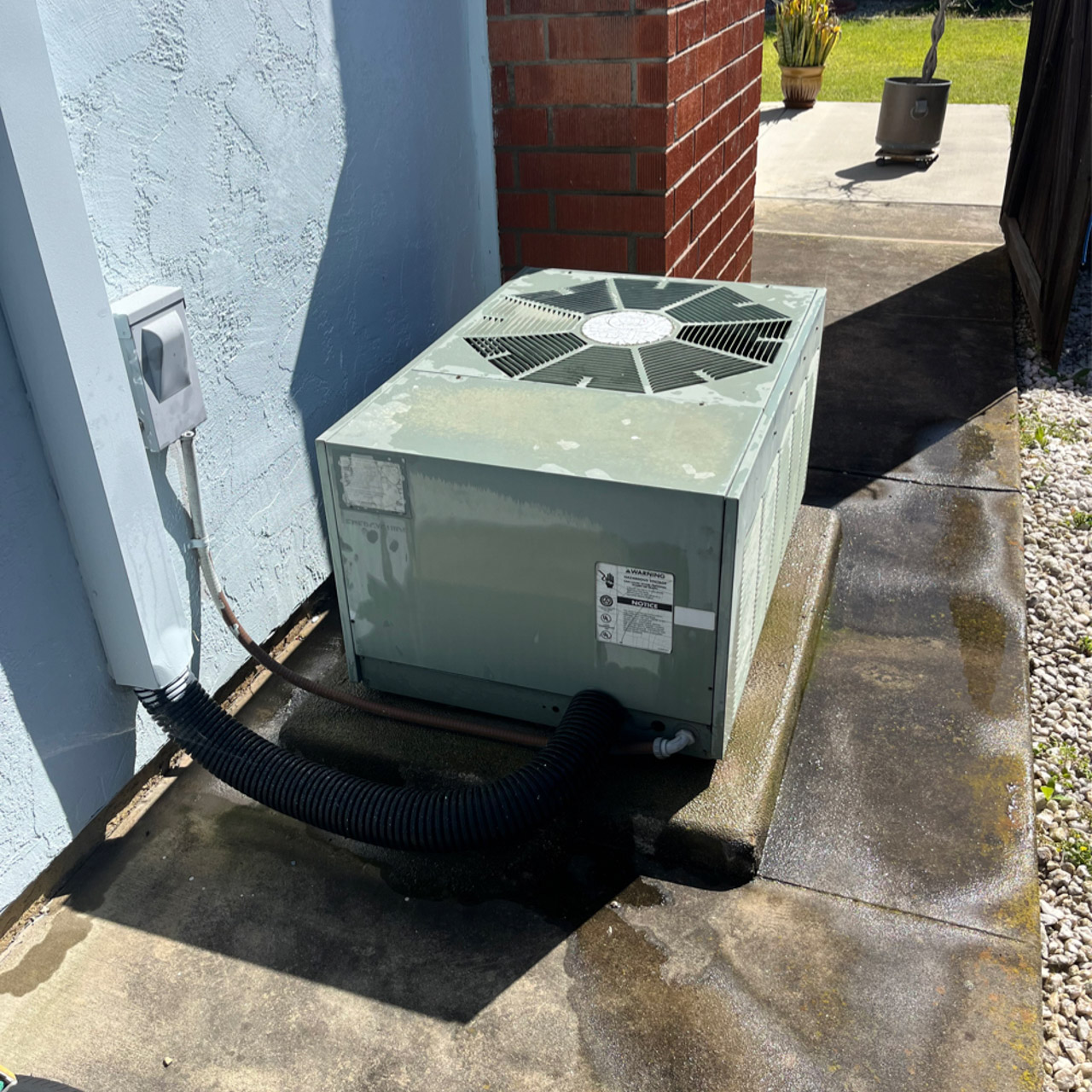
You hear it again—and again. Your air conditioner kicks on for a minute or two, shuts off, then starts up again. It doesn’t seem like your home is getting any cooler, but your system is working overtime. What’s going on?
This frustrating and energy-draining pattern is called short cycling, and it’s one of the most serious symptoms your HVAC system can show. If left unchecked, short cycling can lead to premature system failure, skyrocketing energy bills, and constant discomfort, especially during San Diego’s hottest months.
Let’s break down what causes AC short cycling, what you can do about it, and when it’s time to call in the pros for help.
Why Short Cycling Is a Bigger Deal Than You Think
Short cycling isn’t just annoying—it’s a warning sign that your system is out of sync. Every time your air conditioner powers on, it uses a surge of electricity. Cycling off too soon means it never gets to run efficiently, which forces your system to work harder and wear out faster.
Here’s why it matters:
-
Higher utility bills: Constant starting and stopping burns more energy than consistent operation.
-
Increased wear and tear: Your compressor and other parts are designed for steady cycles. Repeated surges can damage them over time.
-
Poor comfort control: Your home never reaches the set temperature, leaving hot and cold spots.
-
Shorter system lifespan: Most HVAC systems aren’t built for rapid cycling. You’ll be looking at a replacement years earlier than expected.
The bottom line is this. . . if your AC is short cycling, your comfort and your wallet are both at risk.
Common Causes of AC Short Cycling
Let’s walk through the most common reasons your air conditioner might be turning on and off frequently—and what each one means.
1. Your AC System Is Too Big for Your Home
Bigger isn’t always better. If your AC system is oversized for your square footage, it will cool your space too quickly, then shut off before completing a full cycle. That might sound efficient, but it creates humidity issues, uneven cooling, and frequent short cycling.
Oversized systems also wear out faster because they start and stop so often.
-
How to know: If your home cools rapidly but unevenly—and your system runs for just a few minutes at a time—you may have an oversized unit.
-
Fix: Unfortunately, the only long-term solution is replacing the system with one that’s properly sized. A load calculation from an HVAC professional can confirm it.
2. Thermostat Malfunctions or Placement Issues
Sometimes, the problem isn’t your AC—it’s the thermostat. If your thermostat is faulty, mis-calibrated, or installed in a bad location (like next to a window or vent), it can signal your system to shut off too early.
-
How to know: Your thermostat screen goes blank, resets randomly, or shows inaccurate temperatures.
-
Fix: Try replacing the batteries, resetting the unit, or relocating it to a central interior wall. If problems persist, have it inspected or replaced.
3. Refrigerant Leaks or Low Levels
Low refrigerant can cause your evaporator coil to freeze over. When this happens, the system senses a problem and shuts down early to prevent damage. Once the ice melts, it starts again—only to shut down again. It’s a cycle that repeats until the refrigerant issue is resolved.
-
How to know: Ice buildup on copper lines, reduced cooling, hissing sounds, or rising energy bills.
-
Fix: This is not a DIY fix. Call a licensed HVAC company in San Diego immediately. Refrigerant issues are serious and require professional handling.
4. Dirty Air Filters or Blocked Vents
Restricted airflow can cause your system to overheat and shut off as a protective measure. Once it cools down, it restarts—only to overheat again. This on/off cycle continues until the airflow issue is resolved.
-
How to know: Weak airflow from vents, hot spots in rooms, or unusually long cycles.
-
Fix: Replace your air filter (every 1-3 months) and make sure all vents are clean and open.
5. Electrical Issues or Faulty Control Board
Loose wires, corroded connections, or problems with the control board can all interrupt your system’s ability to maintain a full cycle.
-
How to know: Your AC turns off abruptly, trips breakers, or behaves erratically.
-
Fix: An HVAC technician can perform a diagnostic check to rule out electrical issues and replace any damaged components.
How Short Cycling Impacts Your Energy Bills and System Lifespan
Every time your AC restarts, it draws a significant amount of energy—more than when it’s running steadily. Multiply that by dozens of unnecessary cycles per day, and it’s easy to see why your bills are climbing.
But short cycling doesn’t just hurt your wallet—it shortens the life of your HVAC system. Compressors are especially vulnerable to wear from rapid cycling. Since the compressor is one of the most expensive components to replace, ignoring short cycling can cost you thousands in the long run.
When to Call a Professional for AC Repair
Short cycling is almost always a sign that something deeper is wrong. If you’ve replaced your air filter, checked your vents, and ruled out thermostat issues—but the problem persists—it’s time to bring in a licensed HVAC contractor or company.
Here’s what a pro can do:
-
Run diagnostics to identify root causes
-
Test electrical components and refrigerant levels
-
Inspect your ductwork and control systems
-
Recommend repair or replacement options
Don’t let short cycling shorten the life of your system. Early action is the best way to prevent major repairs.
Stop the Cycle Before It Starts
Short cycling is your AC’s way of waving a red flag. It means your system is struggling—and if you ignore it, you’re looking at higher bills, uneven cooling, and potential breakdowns in the near future.
At Allegiance Heating & Air, we’ve helped San Diego homeowners solve short cycling issues before they turned into full system failures. Whether your system needs a quick repair, a full diagnostic, or a complete replacement, we’ll give you honest answers and expert service—no guesswork, no gimmicks.
Book your AC service today and let’s put a stop to the cycle for good.


8733 N Magnolia Ave #204
Santee, CA 92071
619-449-2469
marketing@allegiancehvacsd.com
Monday – Friday: 8:00 AM – 5:00 PM