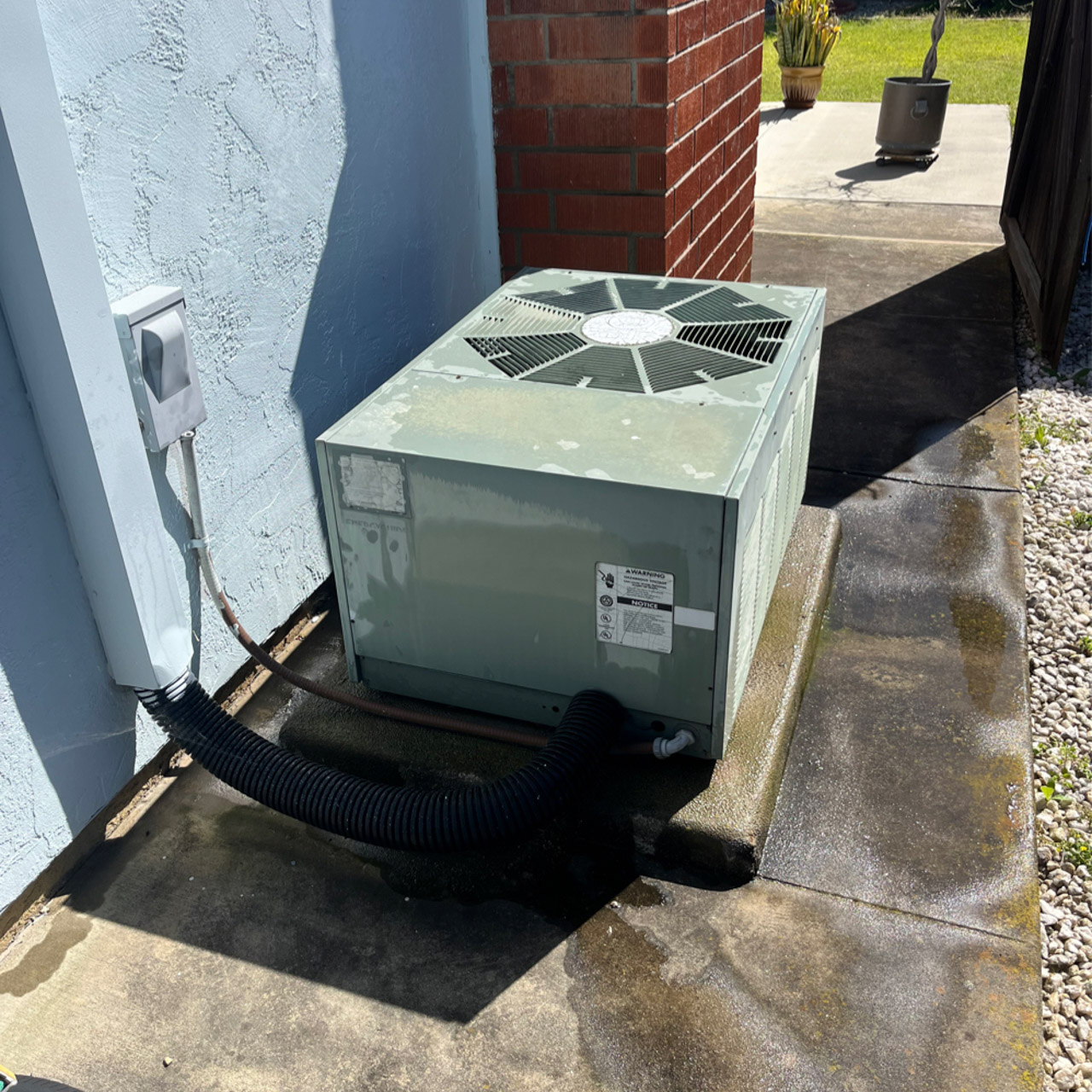
You’ve noticed the signs. Your AC hesitates before kicking on. The house never quite cools like it used to. You’re hearing noises that didn’t used to be there—and the service calls are getting more frequent.
If you’ve found yourself wondering whether it’s time for another repair or a full system replacement, you’re not alone. This is one of the most common decisions homeowners face—especially in San Diego, where AC systems run year-round and the signs of wear and tear can sneak up slowly.
Let’s walk through the real financial and performance indicators that signal when your AC is no longer worth fixing, and how to weigh repair vs. replacement when the numbers—and your comfort—start tipping in a new direction.
When Repairs Start Costing More Than They Save
Sometimes the answer isn’t about whether your system works—it’s whether continuing to invest in it makes sense. Repairs add up. And at a certain point, you’re paying more to keep an aging system limping along than you would to replace it with something more reliable and efficient.
Here’s how to know when the scale is tipping:
-
You’ve had multiple service calls in the last 1–2 years – Systems that break down regularly are telling you more than just “something broke.” They’re showing signs of systemic aging.
-
You’ve spent over 50% of what a new system would cost – If you’ve invested thousands in repairs recently, you might be pouring money into short-term fixes instead of long-term value.
-
Energy bills are steadily rising – Older systems tend to run longer and harder to get the same results, costing more month after month.
-
The parts are getting harder to find – Some systems over 12–15 years old use refrigerants that are being phased out, or parts that are no longer stocked. That means longer waits and more expensive repairs.
Even if your system is still “cooling,” these signs indicate that repairs may no longer be the smart move.
Signs It’s Time to Start Talking About Replacement
Let’s be clear—no one wants to replace their AC system prematurely. But ignoring key warning signs can lead to surprise breakdowns, emergency costs, and long stretches without cooling when you need it most.
Here are red flags that should prompt a deeper conversation:
-
Compressor failure – This is the most expensive repair on most systems. If your compressor is failing and your system is over a decade old, replacement is almost always the better value.
-
Frequent refrigerant issues – If you’re recharging your system often, it’s likely leaking. And if it uses outdated refrigerant (like R-22), the cost just keeps climbing.
-
Unusual noises – Grinding, rattling, buzzing, or squealing sounds typically point to mechanical wear. If it’s happening across multiple components, it’s not an isolated fix.
-
Hot and cold spots throughout your home – When your system can’t maintain consistent comfort, it’s often a sign that capacity, airflow, or ductwork issues are getting worse.
-
Humidity problems – If your AC is running but your home feels clammy, it may not be dehumidifying properly anymore—a common issue in aging systems.
Multiple small issues often lead to one big realization: your system is past its prime.
San Diego-Specific Considerations
San Diego’s climate gives homeowners both an advantage and a challenge. The moderate weather helps extend system life compared to more extreme regions—but because many homeowners run their systems frequently year-round, the hours add up fast.
That constant use means systems wear out even without dramatic temperature swings. Inland homeowners may face even more wear, especially during summer heat waves.
The 5,000 Rule (And Other Financial Benchmarks)
Here’s a helpful way to think about it:
-
Multiply the age of your system by the cost of your latest repair.
-
If that number exceeds $5,000, replacement should be on the table.
Example: If your system is 12 years old and your next repair is $500, you’re already at $6,000—time to reassess.
You can also compare energy bills from past years. If they’ve crept up with no change in usage, that efficiency loss is costing you.
Factor in missed rebates, lack of warranties, and lost comfort—and that next repair might not seem so worthwhile.
What You Gain With a New System
Replacement isn’t just about eliminating future repairs. It’s about:
-
Saving on monthly energy bills – High-efficiency systems can reduce cooling costs by 20–40%.
-
Improving comfort and air quality – Newer systems offer better airflow, filtration, and temperature control.
-
Adding resale value – Buyers notice aging systems. A new install adds to your home’s appeal.
-
Protecting your budget – Manufacturer and labor warranties help you avoid surprise expenses for the next 10–12 years.
-
Financing options – Many homeowners find that monthly payments using financing on a new system cost less than their ongoing repairs and high energy bills.
Not Sure What to Do? Get an Honest Opinion
If you’re on the fence, we can help. At Allegiance Heating & Air Conditioning, we provide honest, pressure-free system evaluations so you can make the right call for your home and your budget.
We’ll help you assess:
-
Remaining life expectancy
-
Current system performance
-
Repair history and cost trends
-
Efficiency losses and comfort issues
-
The best replacement options for your home layout and lifestyle
You don’t have to guess. And you definitely don’t have to keep crossing your fingers every time your system kicks on.
Contact us today for a free system assessment and see whether it’s time to stop repairing and start replacing—with confidence.


8733 N Magnolia Ave #204
Santee, CA 92071
619-449-2469
marketing@allegiancehvacsd.com
Monday – Friday: 8:00 AM – 5:00 PM